.png?width=1197&height=896&name=Screenshot%20(40).png)
Most lagoons have the same problem, and it goes far beyond operations.
As sludge, sediment, and debris build up over time, the impact becomes harder to ignore. Odors reach nearby neighborhoods. Water quality begins to decline. What was once a controlled system can slowly turn into a source of concern for everyone around it. This is not just about maintaining a lagoon. It is about protecting the spaces where people live and work, and preserving the quality of our water for the future.
That is where dredging and dewatering services make a real difference, helping remove accumulated solids, restore performance, and reduce the impact on surrounding communities.
 What Is Dredging?
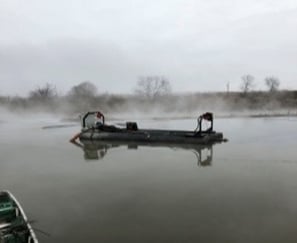
Dredging is the process of removing accumulated solids such as sludge, sediment, and debris from lagoons, ponds, tanks, and other containment systems. Using specialized equipment, dredging allows operations to continue without costly shutdowns or major excavation.
Modern dredging systems are designed to handle a wide range of materials, from light sediments to dense sludge. This flexibility makes them a strong solution for industries such as wastewater treatment, manufacturing, power generation, and mining.
The Importance of Dewatering
Once material is dredged, it typically contains a high percentage of water. Dewatering is the next step, separating solids from liquids to reduce volume and prepare the material for disposal or reuse.
Effective dewatering offers several key benefits:
- Reduces transportation and disposal costs
- Minimizes environmental impact
- Improves handling and storage of solids
- Helps meet regulatory requirements
Dewatering Solutions That Work
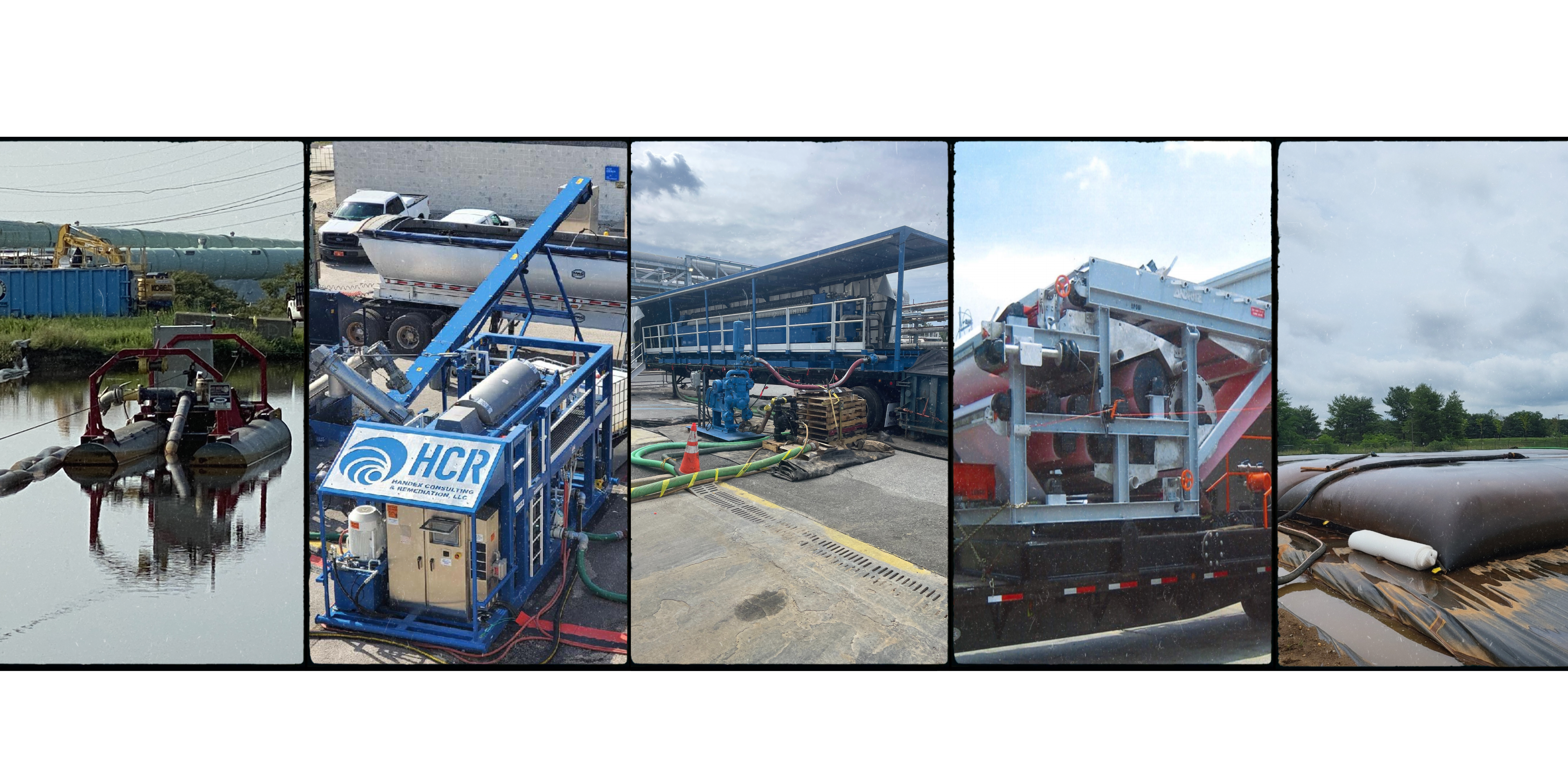
There are several dewatering methods available, and the right solution depends on the material and project goals. Common options include:
Centrifuges
High speed separation that efficiently removes water from sludge and produces a drier cake in less time.
Belt Filter Presses
A continuous process that uses pressure and gravity to separate solids and liquids.
Filter Presses
A strong option for achieving high solids content, especially with more challenging materials.
Geo Tubes
A cost effective solution where dredged material is pumped into large fabric tubes that allow water to drain while retaining solids. This method works well for large scale or remote projects.
Combining dredging with the right dewatering method creates a streamlined process from removal to final disposal. This approach helps reduce timelines, lower costs, and improve efficiency. Experienced teams can evaluate site conditions, material composition, and operational needs to design a solution that works without interrupting operations.
Fortunately, Handex provides all of these dredging and dewatering services with the experience and equipment needed to get the job done right. From sludge removal to effective dewatering solutions, our team is here to help you manage buildup, restore performance, and keep your operations running smoothly.
Contact us today to learn more about how we can support your next project.
-2.png)