As temperatures rise, wastewater treatment systems face increased operational stress that can affect performance, compliance, and overall efficiency. Seasonal heat often exposes challenges that may not be as apparent during cooler months, making proactive system management essential.
How does hot weather affect wastewater treatment systems?
High temperatures can significantly influence biological processes within wastewater systems. Increased microbial activity, reduced dissolved oxygen levels, and faster chemical reactions can disrupt normal treatment performance. Without proper control, these conditions may lead to instability, reduced efficiency, and potential compliance risks.
Why does sludge accumulate more quickly during warmer months?
Warmer conditions accelerate biological activity, which often results in faster solids generation and sludge buildup in lagoons, basins, and treatment units. If not properly managed, this accumulation can reduce available capacity and place additional strain on system performance.
What role does wastewater treatment play in maintaining system stability?
Effective wastewater treatment is essential for maintaining balance within a system. It supports the removal of solids, improves effluent quality, and helps ensure consistent operational performance. During periods of high heat, reliable treatment processes are especially important for maintaining compliance and avoiding disruptions.
How does dewatering support wastewater treatment efficiency?
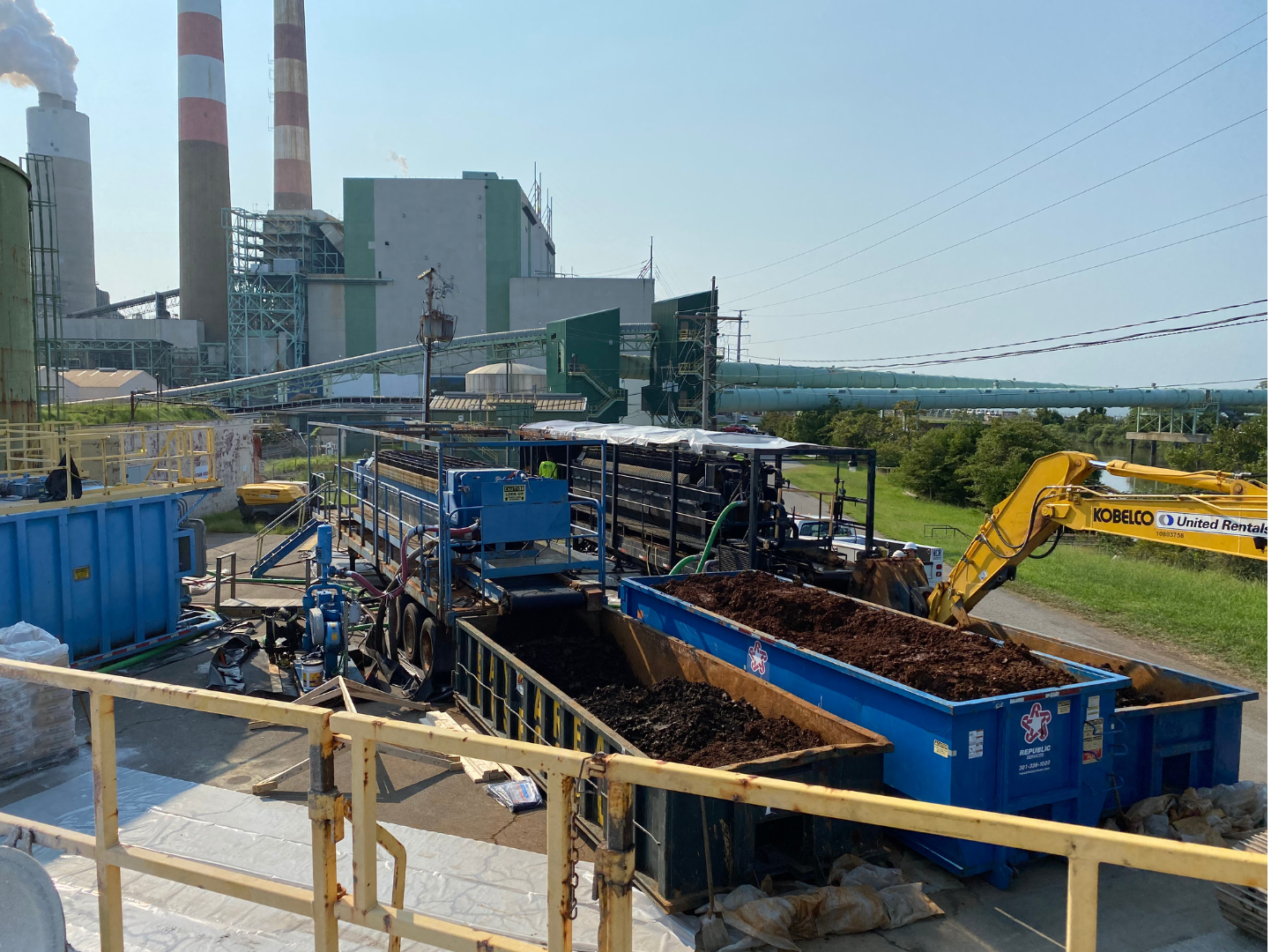
Dewatering reduces the volume of sludge by separating solids from liquids, making handling, transport, and disposal more efficient. This process helps relieve stress on treatment systems and improves overall operational efficiency, particularly during peak seasonal conditions.
How can facilities prepare for peak summer conditions?
The most effective approach is proactive maintenance and planning. Regular system evaluation, timely sludge management, and reliable treatment support can help facilities stay ahead of seasonal challenges. This reduces the risk of unexpected downtime and supports consistent performance throughout the summer months.
Contact us today to learn how we can support your facility.
-2.png)