Sediment and sludge can accumulate in ponds, lagoons, and industrial or wastewater systems over time. As material builds up, it can reduce available capacity and create additional maintenance requirements.
Dredging and dewatering are two processes that can help facilities manage accumulated material. Although they serve different purposes, they can work together as part of a broader material removal and management project.
Understanding how each process works can help facility owners plan projects more effectively.
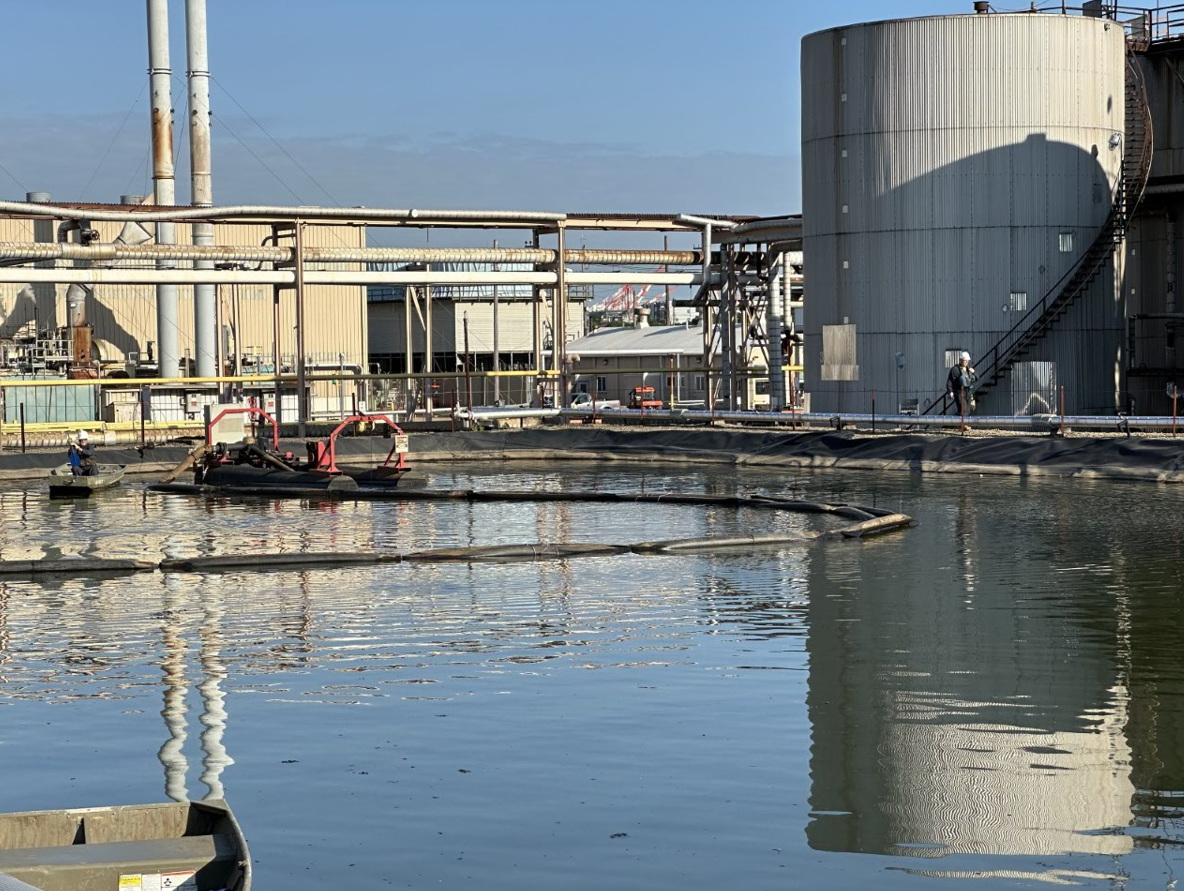
What Is Dredging?
Dredging is the process of removing accumulated sediment and other material from underwater areas.
Depending on site conditions and project requirements, dredging may be used in ponds, lagoons, and other systems where sediment buildup affects usable capacity or maintenance needs.
The appropriate equipment and method depend on factors such as the type and depth of accumulated material, water conditions, access, and project objectives.
For facilities considering dredging, evaluating these conditions before work begins can help establish the appropriate project approach.
Project Example: https://www.hcr-llc.com/guard-basin-dredging
What Is Dewatering?
Dewatering separates water from solids, helping reduce the volume of material that must be handled, transported, or managed.
Mechanical dewatering technologies include:
- Centrifuges: Use centrifugal force to separate solids from liquids.
- Belt presses: Use drainage and mechanical pressure to remove water continuously from sludge.
- Filter presses: Use pressure to separate liquid from solids and produce a filter cake.
The most appropriate technology depends on the material's characteristics, required results, operating conditions, and project constraints.
Project Example: https://www.hcr-llc.com/central-florida-wastewater-treatment-plant
How Do Dredging and Dewatering Work Together?
Dredging removes accumulated material, which may contain substantial amounts of water. Depending on the project, the resulting slurry may then require dewatering.
A typical project sequence may include:
- Evaluate the site: Identify the material, site conditions, access limitations, and project requirements.
- Remove accumulated material: Use an appropriate dredging method to remove sediment or sludge.
- Manage the removed material: Handle and transfer the material according to the project's process and requirements.
- Dewater when appropriate: Separate water from solids using suitable equipment.
- Manage the resulting materials: Determine the appropriate handling, transportation, and disposal or reuse options based on material characteristics and applicable requirements.
Not every project follows the same sequence. The process depends on the site, material, and project objectives.
Project Example: https://www.hcr-llc.com/dredging-and-dewatering
What Should You Consider Before Starting a Project?
Before planning a dredging or dewatering project, facility owners should consider several factors.
Material characteristics: The amount of sediment, solids concentration, and material composition can influence equipment selection and handling requirements.
Site access: Available working space, access to the removal area, and equipment positioning can affect the project approach.
Volume of material: Estimating the quantity of accumulated material helps with project planning, equipment requirements, and logistics.
Dewatering requirements: If the removed material requires dewatering, the appropriate technology should be evaluated based on the material and desired results.
Transportation and disposal: Determine how removed material and separated water will be managed, including applicable testing and disposal requirements.
Project schedule: Operational needs, site conditions, and access restrictions can influence the work schedule.
Considering these factors early helps establish a project scope that reflects actual site conditions.
How Handex Supports Dredging and Dewatering Projects
Handex Consulting & Remediation provides dredging, sludge removal, and mechanical dewatering services for industrial and wastewater applications. Depending on project requirements, services and equipment may be coordinated to address accumulated material and support efficient handling and volume reduction.
The right approach starts with understanding the material, the site, and the project's objectives. Planning a dredging, sludge removal, or dewatering project? Contact Handex to discuss your facility needs and request a quote.